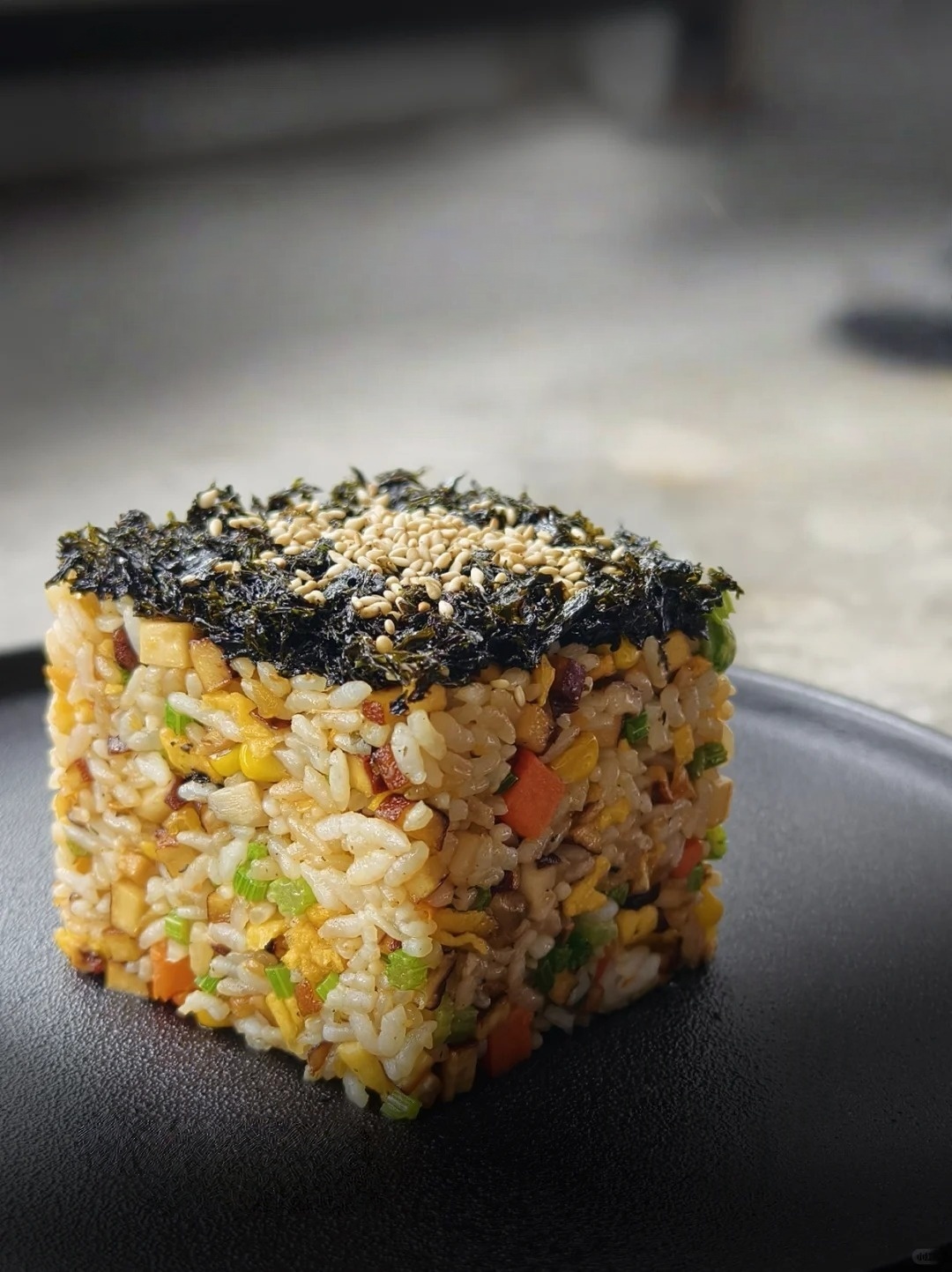
Customize Your Veggie Fried Rice: The Ultimate Leftover Transformation
In the culinary world, few dishes offer the incredible versatility and satisfaction of veggie fried rice. It's more than just a meal; it's a blank canvas for your creativity and a champion against food waste. Forget the notion that authentic fried rice must adhere to a rigid ingredient list. The true beauty of this dish lies in its adaptability, inviting you to transform any stray vegetables in your refrigerator into a vibrant, flavorful, and incredibly satisfying meal. Quicker, healthier, and often more delicious than your average takeout, homemade veggie fried rice is a weeknight warrior that deserves a permanent spot in your cooking repertoire.
Whether you're looking for a meatless lunch, a dynamic side dish, or a light yet filling dinner, this guide will empower you to craft the perfect veggie fried rice using whatever fresh or nearly-forgotten produce you have on hand. Prepare to unlock a world of flavor and texture, all while making the most of your ingredients.
The Foundation of Fantastic Fried Rice: Getting Your Grains Right
While the vegetables are the stars of a customized fried rice, the rice itself forms the crucial backbone. Getting it right ensures a dish with perfectly separated, chewy grains, free from the dreaded mushiness. The secret isn't complicated, but it does require a bit of foresight.
Choosing and Preparing Your Rice
- The Right Grain Matters: For the best results, opt for long-grain varieties like jasmine rice or traditional long-grain white rice. These types have a lower starch content compared to short-grain or medium-grain varieties, which means they hold their shape better during stir-frying and are less prone to clumping. Their distinct, separate grains contribute to the authentic fried rice texture. While not traditional, you could also experiment with basmati rice for a slightly different aromatic profile.
- Rinse, Rinse, Rinse: No matter what type of rice you choose, always rinse it thoroughly before cooking. Place the rice in a fine-mesh sieve and run cold water over it, tossing it with your hand until the water runs clear. This process washes away excess surface starch, which is the primary culprit behind sticky, gummy rice.
- Embrace the Chill: The Power of Leftover Rice: This is arguably the most critical tip for achieving restaurant-quality secrets for perfect veggie fried rice: leftover rice & egg. Cold, day-old rice is ideal for fried rice. When rice cools, its starches undergo a process called retrogradation, firming up the grains and making them less likely to stick together or absorb too much oil. This results in a superior texture that prevents your fried rice from becoming mushy.
- No Leftovers? No Problem!: If you don't have leftover rice, don't fret! You can still make excellent fried rice on the same day. Simply cook your rice according to package instructions, then immediately spread it out in a single, thin layer on a baking sheet. Pop it into the refrigerator or even the freezer for 15-30 minutes to cool it down rapidly. The goal is to get it cold and firm as quickly as possible.
A Canvas of Color and Flavor: Embracing Any Veggie
This is where your refrigerator truly shines! The beauty of veggie fried rice is its boundless adaptability to whatever produce you have on hand. Think of your fridge as an artist's palette, and your wok as the canvas. You're not just cooking; you're creating a vibrant, nutritious mosaic.
Maximizing Your Leftovers
Don't be afraid to mix and match. That half a bell pepper, a few wilting spinach leaves, a lonely carrot, or some leftover cooked broccoli florets are all perfect candidates. The key is to prepare them appropriately and add them at the right time. Here’s a guide to some fantastic additions:
- Hardy Root Vegetables & Brassicas:
- Carrots: Always a classic. Dice them finely for quick cooking and a touch of sweetness.
- Onions: Yellow or red, diced. They form a fragrant base.
- Broccoli & Cauliflower: Cut into small florets. These add great texture and nutritional value. You can even use finely chopped cauliflower as a rice substitute for a low-carb twist.
- Celery: Adds a subtle crunch and savory depth.
- Quick-Cooking Greens & Fungi:
- Peas & Corn: Often frozen, they're convenient and add bursts of sweetness. Add them towards the end.
- Zucchini & Mushrooms (e.g., Shiitake, Cremini): Slice or dice. Mushrooms bring an umami richness. Zucchini offers a delicate texture.
- Bell Peppers (any color): Sliced or diced, they add color, sweetness, and a slight crunch.
- Asparagus: Cut into bite-sized pieces, adding a fresh, slightly earthy note.
- Snow Peas & Bean Sprouts: These are best added in the last minute or two for a crisp-tender texture.
- Unexpected Yet Delicious Additions:
- Kimchi: For a bold, tangy, and spicy Korean-inspired twist. Add it with your main veggies.
- Spinach or Kale: Wilted into the rice during the final minutes for a nutrient boost.
- Romaine or Iceberg Lettuce: Believe it or not, thinly shredded lettuce added right at the very end provides an amazing, refreshing crunch!
- Jalapeños: Finely diced for an immediate spicy kick.
Pro Tip: Cut all your vegetables into roughly uniform, bite-sized pieces. This ensures even cooking and makes for a more pleasant eating experience. Hardy vegetables like carrots and broccoli should go into the pan first, followed by quicker-cooking ones like bell peppers, and finally delicate greens and sprouts.
Beyond the Basics: Elevating Your Veggie Fried Rice
Once you have your perfect rice and an array of colorful vegetables, it's time to infuse your veggie fried rice with layers of irresistible flavor and texture.
The Flavorful Sauce Blend
A well-balanced sauce is key to transforming simple ingredients into a cohesive, delicious meal. While proportions can be adjusted to taste, a classic blend includes:
- Soy Sauce: The backbone of savory flavor. Use low-sodium if preferred.
- Fish Sauce: Adds a profound depth of umami without making the dish taste "fishy." A little goes a long way.
- Sriracha or Chili Garlic Sauce: For a customizable touch of heat. Start with a teaspoon and add more to your preference. Crushed red pepper flakes also work wonderfully.
- Sesame Oil (to finish): Drizzle a tiny amount at the very end for an authentic nutty aroma.
Combine these in a small bowl before you start cooking, so they are ready to toss into the hot pan.
The Golden Touch: The Fried Egg
While optional, adding a fried egg (or several!) on top is highly recommended and elevates this minute veggie fried rice: healthier than takeout from good to gourmet. A perfectly fried egg, especially one with a runny yolk, creates a luscious, creamy sauce that beautifully coats the rice and vegetables. It also provides a valuable boost of protein, making your all-veggie meal even more satisfying and well-rounded. Cook the eggs separately in a small skillet while your rice is keeping warm, ensuring the yolks remain wonderfully soft.
Healthy Twists and Dietary Adaptations
The flexibility of veggie fried rice extends to dietary needs:
- Brown Rice: Swap white rice for brown rice for extra fiber and nutrients. Be aware that brown rice requires a longer cooking time and may have a slightly different texture.
- Low-Carb Options: For a lighter, low-carb version, replace traditional rice with cauliflower rice or quinoa. Both offer excellent texture and absorb flavors beautifully.
Garnishes for a Flourish
Don't underestimate the power of a simple garnish. A sprinkle of fresh, chopped green onions adds a pungent freshness and a pop of color, while toasted sesame seeds contribute a delightful nutty crunch and aroma.
Mastering the Stir-Fry: Quick Tips for Success
The actual cooking of veggie fried rice is incredibly fast, often taking less than 10 minutes once your ingredients are prepped. Speed and heat are your allies.
- Mise en Place is Key: "Everything in its place." Chop all your vegetables, mix your sauce, and have your cold rice ready before you even turn on the stove. Stir-frying is a quick process, and you won't have time to chop mid-cook.
- High Heat is Essential: Use a large wok or a heavy-bottomed skillet over medium-high to high heat. The goal is to stir-fry, not steam. A hot pan ensures your vegetables sear and develop flavor quickly.
- Don't Overcrowd the Pan: Cook in batches if necessary, especially if you're making a larger quantity. An overcrowded pan lowers the temperature, steaming the vegetables instead of stir-frying them, leading to a limp, watery result.
- Add Veggies in Stages: Start with your hardest vegetables (carrots, onions, broccoli) and cook for a few minutes until slightly tender-crisp. Then add medium-cooking veggies (bell peppers, zucchini, mushrooms). Finally, toss in quick-cooking items like peas, corn, and any delicate greens.
- Introduce Rice and Sauce: Once your veggies are nearly done, add the cold rice to the pan, breaking up any clumps. Pour in your prepared sauce and toss everything vigorously to combine, ensuring every grain of rice and every piece of vegetable is coated.
- Serve Immediately: Fried rice is best enjoyed fresh off the wok, garnished, and topped with that glorious runny egg.
Customizing your veggie fried rice is a testament to the joy of home cooking. It's an efficient, delicious, and incredibly flexible way to create a nutritious meal while giving new life to forgotten ingredients. By understanding the fundamentals of good rice preparation, embracing the diversity of your vegetable drawer, and mastering a few simple stir-frying techniques, you'll be able to whip up a satisfying, "better than takeout" meal in minutes. So go ahead, open your fridge, and let your culinary imagination run wild!
